Trump administration drops $15,000 visa deposit for foreign fans with World Cup tickets - BBC News
In a significant move, the Trump administration has dropped the $15,000 visa deposit for foreign fans holding World Cup tickets, facilitating easier entry for international supporters.
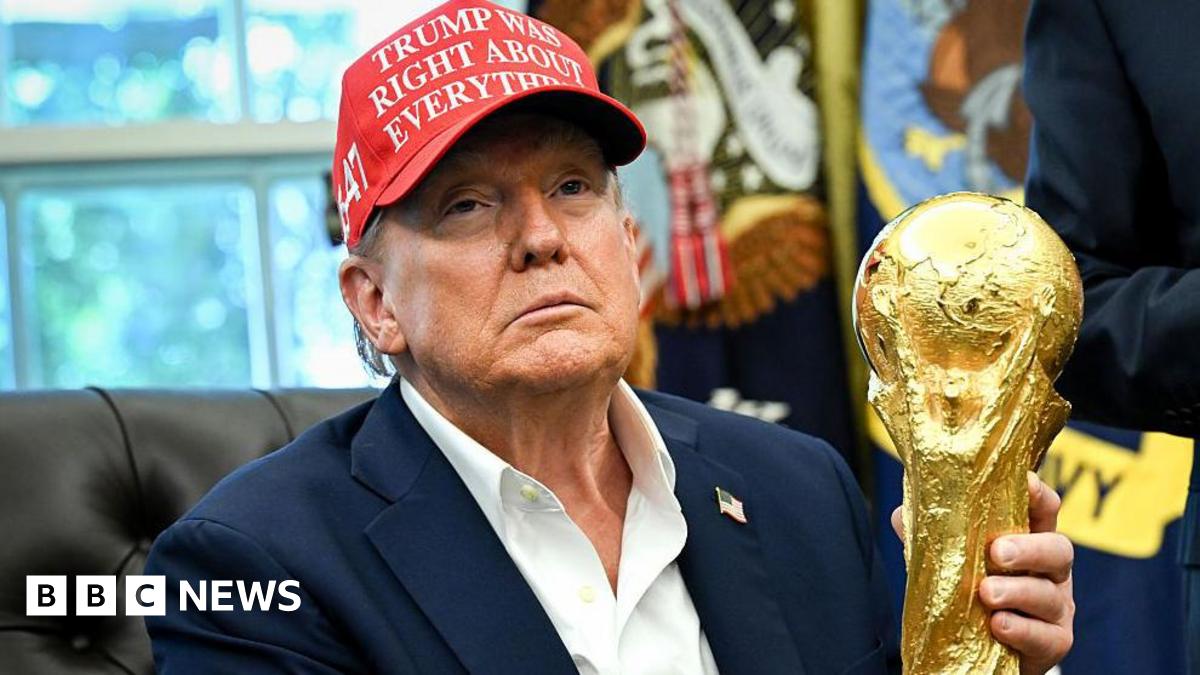
The Trump administration has announced the removal of the $15,000 visa deposit requirement for football fans from 50 countries who possess valid match tickets for the upcoming World Cup in the United States. This decision comes as the tournament approaches, set to take place from June 11, 2026, and co-hosted by the US, Canada, and Mexico.
Exemption for Qualified Fans
Assistant Secretary of State for Consular Affairs Mora Namdar confirmed the exemption in a statement to the BBC, emphasizing that "we are waiving visa bonds for qualified fans who bought World Cup tickets." This change allows fans from countries such as Algeria, Cabo Verde, Ivory Coast, Senegal, and Tunisia—who have all qualified for the tournament—to travel without the previously mandated financial barrier.
Background on Visa Bond Requirement
The visa bond requirement, introduced last year, aimed to mitigate visa overstays and was part of a broader immigration enforcement strategy. While players and coaches traveling for the World Cup were already exempt from this requirement, regular fans were not included until this recent announcement. The bond, which was refundable at the end of a visitor's stay, was part of a pilot program initiated in August 2025.
FIFA expressed appreciation for the collaboration with the White House, stating that the announcement reflects a commitment to ensuring a successful World Cup. Despite the suspension of the bond for fans from the 50 countries, restrictions remain for travelers from Iran and Haiti, although players and coaches from these nations are still allowed to travel for the tournament.
As the World Cup draws nearer, concerns persist regarding additional travel policies, including a potential requirement for tourists to provide a five-year social media history. Rights groups have raised alarms about the implications of such policies, warning of risks including denied entry and increased surveillance.
Source: bbc.co.uk