FIFA Drops Thousands More World Cup Tickets Amid Scrutiny - Newsweek
FIFA has removed thousands of World Cup tickets from sale, facing increasing scrutiny over its ticketing practices. This decision has sparked concerns regarding transparency and fairness in the allocation process.
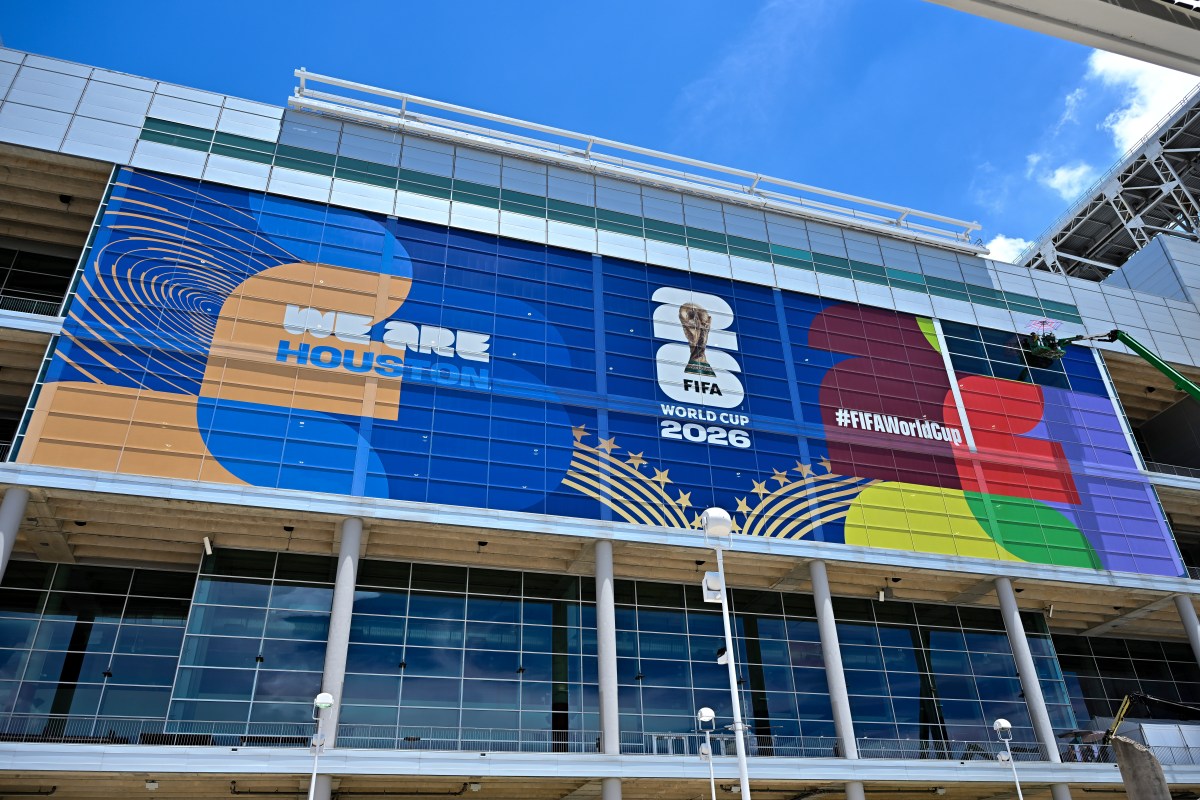
FIFA has made a significant move by releasing thousands more tickets for the upcoming 2026 World Cup amid increasing scrutiny over its ticket distribution practices. Accusations have emerged suggesting that FIFA may be selectively distributing tickets across resale platforms to manipulate demand and pricing.
Ticket Availability Fluctuations
According to TicketData.com, the number of tickets available on FIFA's official portal surged from approximately 20,500 on Wednesday to around 37,000, before settling at about 33,000 by Thursday morning. This increase is notable, yet it still represents a sharp decline from over 100,000 tickets available at the end of May, a number that dwindled as thousands of tickets vanished without explanation.
FIFA is facing mounting criticism regarding its management of ticket supply for the World Cup. The inconsistent availability and changing resale listings have raised concerns about whether the organization is intentionally directing inventory to influence ticket prices and mitigate financial risks as demand fluctuates.
Responses from Resale Platforms
In response to inquiries from Newsweek, both SeatGeek and StubHub denied any involvement in the alleged ticket distribution strategy. However, StubHub did confirm that large blocks of seats had appeared on their resale platforms in recent days. FIFA has yet to comment on the recent increase in ticket inventory or the sudden drop in availability noted in late May, and Newsweek has reached out to the organization for further clarification.
Concerns Over Pricing Strategies
The rollout of tickets by FIFA has drawn criticism due to high prices, which are influenced by a "dynamic pricing" model that adjusts costs based on demand. An analysis by The Athletic revealed that ticket prices in key categories rose by 34 percent between October and April, with some prices more than doubling. Although resale prices have frequently surpassed FIFA's official rates, they have recently softened, indicating weaker-than-expected demand for certain matches.
Following the abrupt disappearance of over 40,000 tickets from the main platform in late May, observers noted an increase in the number of tickets available on resale marketplaces. Economist Florian Ederer from Boston University pointed out unusual patterns of ticket availability on SeatGeek, particularly large blocks for the Saudi Arabia vs. Cabo Verde match on June 26. Ederer suggested that the availability of these "large, contiguous blocks of seats" does not align with typical resale patterns, indicating that inventory may have been bulk-released onto secondary markets at prices lower than those on FIFA's official site.
As FIFA navigates these challenges, the scrutiny over its ticket distribution practices continues to grow, raising questions about transparency and fairness in the lead-up to the World Cup.
Source: newsweek.com