Does FIFA fair play apply to 2026 World Cup?
This article examines the application of FIFA's fair play regulations at the upcoming 2026 World Cup, discussing their significance for participating teams.
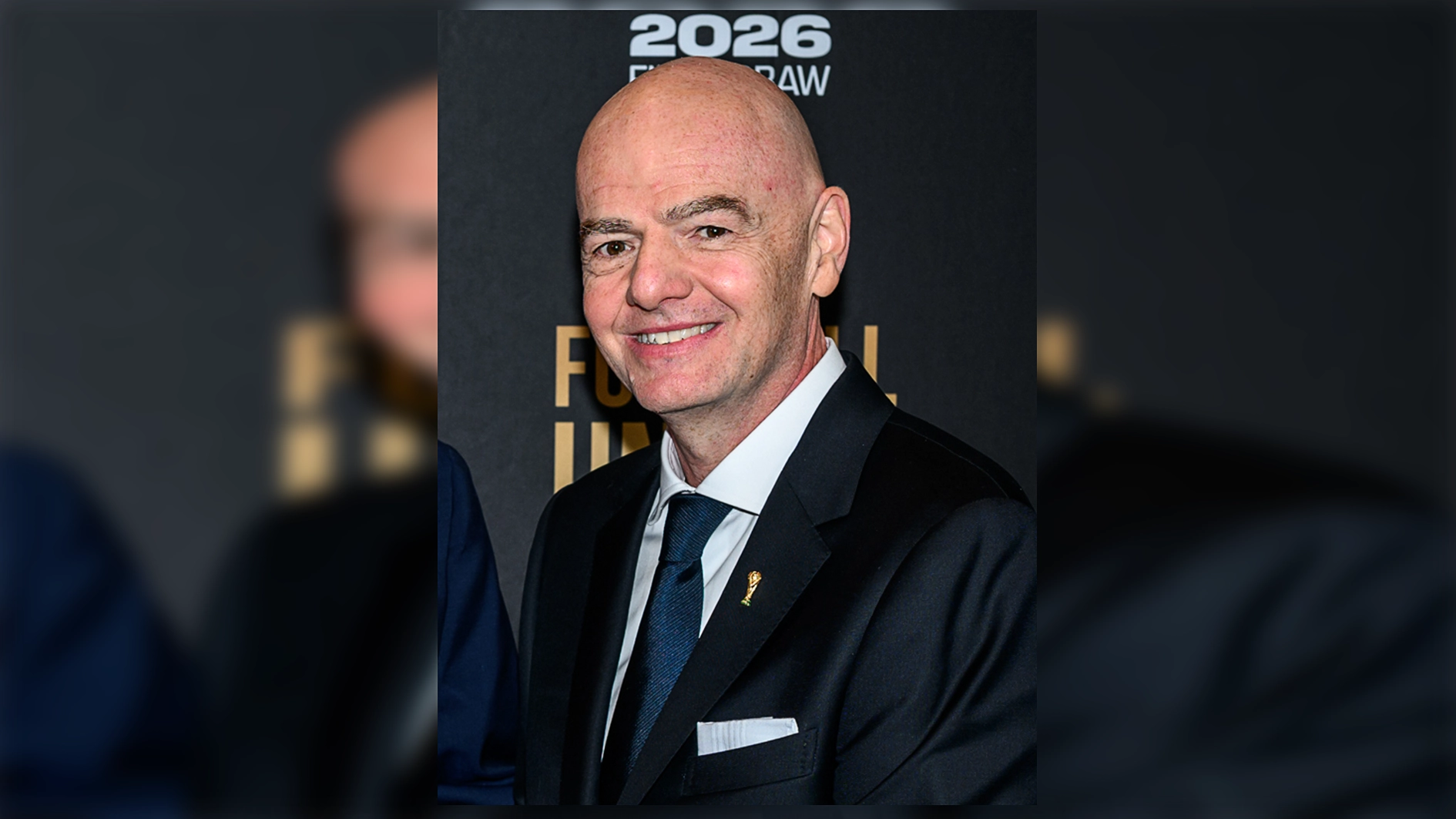
The 2026 World Cup is set to begin today, amidst a backdrop of controversy and concern. As reported by Christian Okpara, the tournament, which has been anticipated for four years, is facing significant challenges that threaten the ideals of fair play that FIFA has long championed.
Concerns Over Tournament Integrity
The upcoming World Cup, intended to showcase the best football talent globally, is marred by organizational chaos, particularly due to the United States' role as a primary host. The nation’s immigration policies have raised questions about the tournament's integrity, leading to fears that FIFA may have relinquished control over its flagship event.
A notable incident highlighting this issue is the deportation of Omar Artan, who was recognized as Africa’s Referee of the Year in 2025. Artan was set to make history as the first Somali official to officiate at a men's World Cup finals. However, upon arriving in Miami, he was detained by U.S. Customs and Border Protection, questioned extensively, and ultimately deported due to "vetting concerns," despite holding a valid visa and diplomatic passport. This situation reflects the stringent travel restrictions that have been reinstated, particularly affecting several majority-Muslim countries, including Somalia.
FIFA's Hypocrisy and Political Ties
This incident marks a stark departure from FIFA's previous commitments. In 2017, FIFA President Gianni Infantino warned that any country imposing restrictions on qualified teams, supporters, or officials would risk losing its hosting rights, asserting that “otherwise, there is no World Cup.” However, Infantino's recent alignment with the Trump administration has seemingly paralyzed FIFA's ability to enforce non-discrimination guarantees that are typically expected from host nations.
As a result, the 2026 World Cup is poised to be even more contentious than its predecessors in Russia and Qatar, which, despite their own controversies, managed to resolve structural issues before the tournaments commenced. In contrast, the 2026 edition is entering the spotlight amid ongoing logistical and administrative challenges, raising concerns about the overall execution of the event.
Source: guardian.ng