A Warm World Cup Welcome? US Immigration Policies Have Chilling Effect | KQED
The article examines the restrictive US immigration policies that may deter international fans from attending the World Cup, highlighting the potential negative impact on the event's atmosphere and inclusivity.
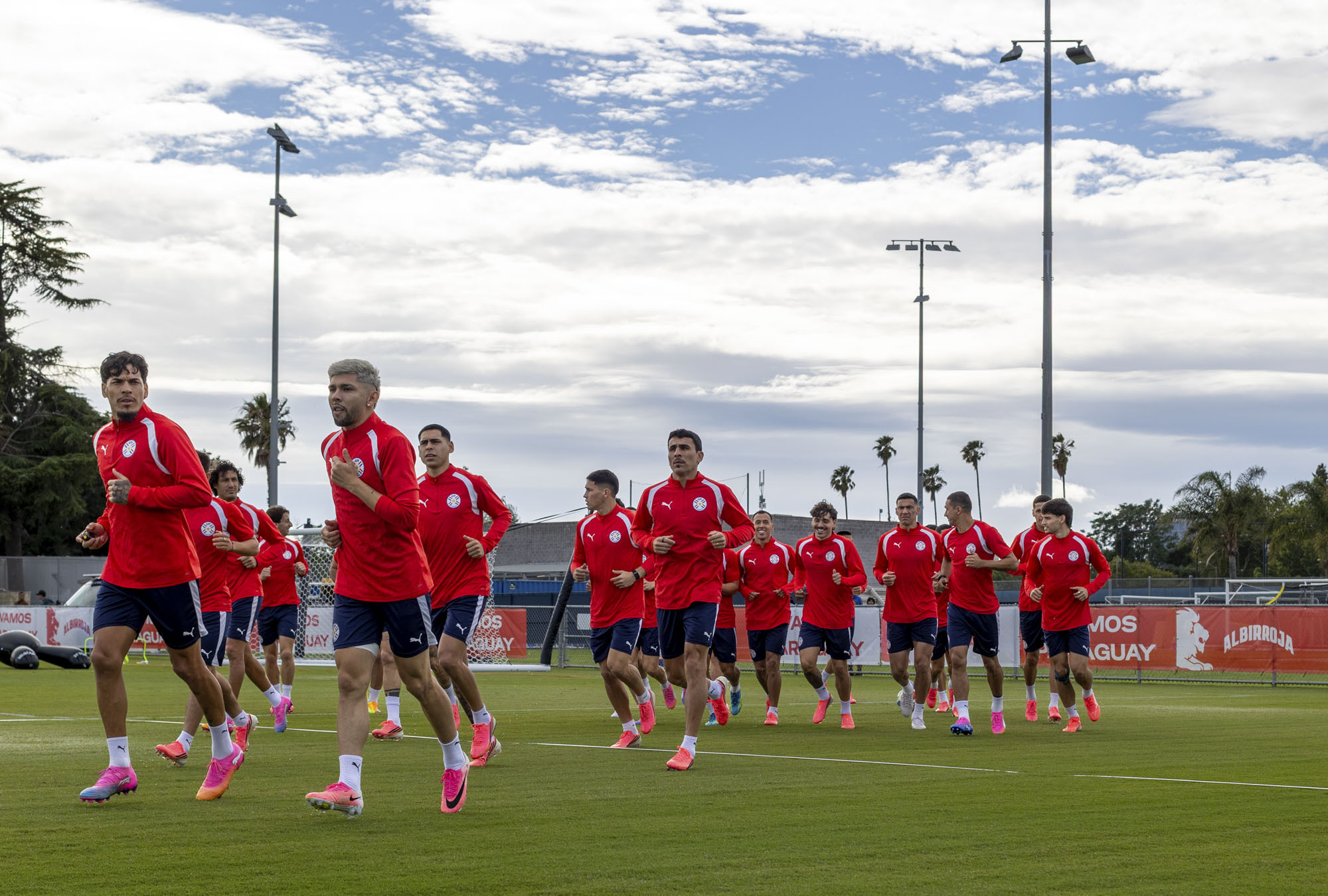
As the 2026 FIFA World Cup approaches, heightened immigration scrutiny has affected match officials and team members attempting to enter the United States. Notably, a referee from Somalia was denied entry, highlighting the impact of current U.S. immigration policies.
Impact of Immigration Policies
President Donald Trump’s stringent immigration regulations are already influencing the upcoming World Cup. Reports indicate that at least one referee from Somalia and an Iraqi team staff member were turned away at U.S. airports in recent days. Additionally, numerous fans from countries like Morocco have been denied travel visas, despite holding tickets to the matches.
Jules Boykoff, a professor and author of Red Card: The 2026 World Cup, Sportswashing and the FIFA Greed Machine, expressed concern over the situation, describing the World Cup as a "massive paradox." He noted that while the tournament features more teams than ever, the restrictive policies create an environment that feels more exclusionary than inclusive. Boykoff also mentioned that fans in the U.S. might experience anxiety regarding potential interactions with immigration agents outside stadiums.
Concerns from Officials
Boykoff's apprehensions are shared by various policy experts and soccer enthusiasts who have been vocal about the implications of Trump’s immigration policies on the tournament. The White House has not provided any comments regarding these issues. However, Customs and Border Protection (CBP) stated that all travelers, including athletes and staff, are subject to inspection and vetting upon entering the U.S. They emphasized that admissibility decisions are made on a case-by-case basis, considering law enforcement, national security, and immigration information available at the time.
With 39 countries currently facing either full or partial travel bans to the U.S., the situation remains tense. Among these, four nations—Iran, Haiti, Côte d’Ivoire, and Senegal—are set to compete in the World Cup. The implications of these policies could significantly affect the tournament experience for players and fans alike.
Source: kqed.org